Rajma Chawal vs Chole Chawal: Taste, Nutrition & Key Differences - Which Is Healthier?
Rajma Chawal and Chole Chawal are two much-loved Indian meals that combine legumes with rice. Both provide energy, plant-based protein, dietary fibre, and essential minerals. They are affordable, satisfying, and can form part of a balanced diet when prepared with the right ingredients and portion sizes.
However, there are some nutritional differences between rajma (kidney beans) and chole (chickpeas) that may influence which meal is better for your fitness goals, digestion, blood sugar management, and overall health.
The important question is not simply which dish is healthier, but which one better suits your nutritional needs and how you prepare it.
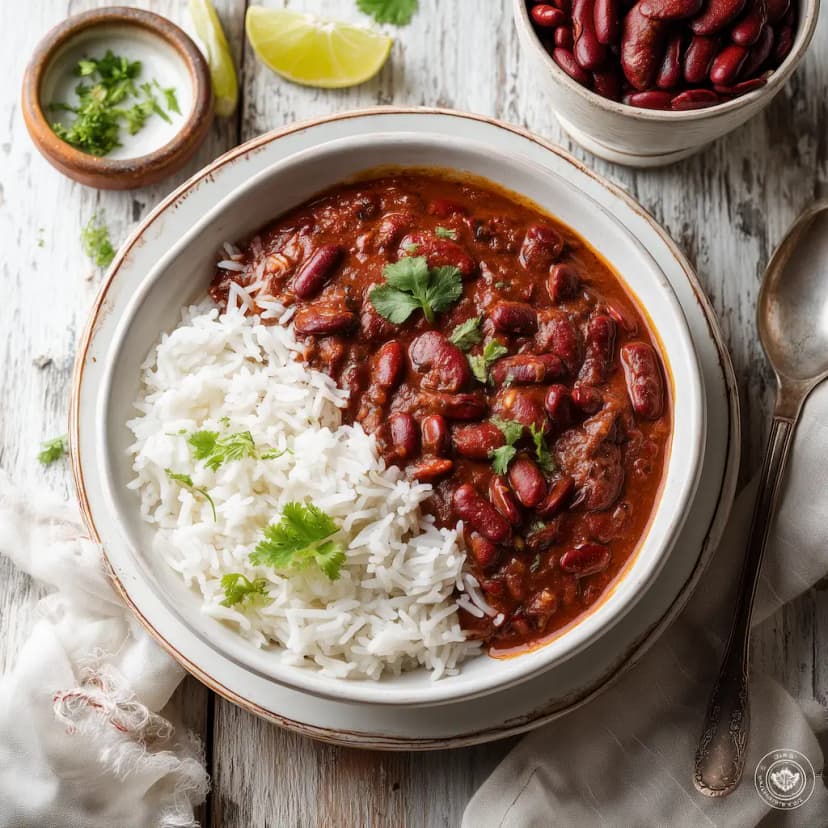
Rajma Chawal
Kidney bean curry served with steamed rice.

Chole Chawal
Spiced chickpea curry served with steamed rice.
1. Rajma Chawal: Rich, Creamy, and Comforting
Rajma Chawal is a traditional North Indian meal particularly associated with Punjabi home cooking. It consists of red kidney beans simmered in a thick gravy made with onions, tomatoes, ginger, garlic, and a carefully balanced combination of spices, served alongside steamed rice.
The dish is known for its soft bean texture, hearty consistency, and comforting flavour profile. Slow cooking allows the kidney beans to absorb the spices and develop a cohesive, rich gravy.
Key characteristics:
- Taste: Savoury, mildly tangy, and deeply flavourful.
- Texture: Soft kidney beans paired with a thick, smooth gravy.
- Aroma: A blend of sautéed onions, garlic, ginger, and Indian spices.
- Serving style: Typically served with steamed rice, often accompanied by sliced onions, pickles, or yoghurt.
Rajma Chawal is especially popular as a home-cooked lunch or dinner because it is satisfying, familiar, and easy to adapt to individual spice preferences.
2. Chole Chawal: Spicy, Tangy, and Aromatic
Chole Chawal is another popular North Indian combination, featuring chickpeas cooked in a robust, spice-forward gravy and served with rice. Chole is commonly associated with Punjabi cuisine, where regional spice blends and cooking techniques create a distinctive depth of flavour.
The gravy often includes onions, tomatoes, ginger, garlic, cumin, coriander, and garam masala. Depending on the recipe, amchur (dry mango powder), anardana (dried pomegranate seeds), or other tangy ingredients may be added to enhance its characteristic flavour.
Key characteristics:
- Taste: Spicy, tangy, earthy, and aromatic.
- Texture: Firm yet tender chickpeas in a thick, flavourful gravy.
- Aroma: A pronounced combination of roasted spices and herbs.
- Serving style: Usually paired with steamed rice, onions, green chillies, or a fresh salad.
3. Nutritional comparison: Rajma Chawal vs Chole Chawal
The following table compares typical homemade servings. Values are estimates, not laboratory measurements, and will vary with the recipe and portion size.
Assumed serving: 1 cup cooked white rice (about 160 g) + 1 cup cooked bean curry (about 180–200 g), with moderate oil.
| Nutritional parameter | Rajma Chawal | Chole Chawal |
|---|---|---|
| Calories | 400-500 kcal | 430-530 kcal |
| Protein | 14-18 g | 15-19 g |
| Carbohydrates | 70-85 g | 72-88 g |
| Dietary fibre | 10-15 g | 10-15 g |
| Fat | 7-13 g | 9-16 g |
| Iron | Approximately 3-6 mg | Approximately 3-6 mg |
| Potassium | Approximately 600-900 mg | Approximately 600-1,000 mg |
| Folate (vitamin B9) | Good source | Good source |
4. Rajma Chawal vs Chole Chawal: Key Differences
| Comparison factor | Rajma Chawal | Chole Chawal |
|---|---|---|
| Main ingredient | Red kidney beans | Chickpeas |
| Flavour profile | Rich, savoury, and mildly tangy | Spicy, earthy, and often more tangy |
| Texture | Soft beans with a creamy consistency | Firmer chickpeas with a hearty bite |
| Gravy | Often smooth and tomato-forward | Frequently more spice-forward |
| Protein source | Kidney beans | Chickpeas |
| Fibre | High in dietary fibre | High in dietary fibre |
| Culinary identity | Closely associated with Punjabi home cooking | Closely associated with Punjabi and North Indian cuisine |
| Best suited for | Those who enjoy mellow, comforting flavours | Those who prefer robust, aromatic spices |
The exact flavour and nutritional differences depend on the recipe, cooking method, portion size, and quantity of oil or other ingredients used.
5. Which is better for different health goals?
The healthier option depends on your goal — weight loss, muscle gain, digestion, or overall nutrition — as well as portion size and how much oil is used.
Which is better for your goal?
For weight loss: Rajma Chawal — slight edge
Rajma can be a little lower in calories when portions and cooking methods are comparable. Keep rice moderate and use less oil in the curry. Total calories matter more than which bean you choose.
For muscle gain: Tie
Both provide roughly comparable plant protein. For more protein, increase the bean portion or add curd, paneer, tofu, or another protein source.
For overall health: Both are excellent
Rajma offers fiber and minerals such as potassium and magnesium. Chole is especially rich in folate, manganese, and other minerals. Both support a fiber-rich, plant-based diet.
For digestion: Depends on your tolerance
Both contain fermentable carbohydrates that can cause gas or bloating. Soaking, thorough cooking, and starting with smaller portions may help.
Frequently Asked Questions (FAQs)
1. What is the difference between Rajma Chawal and Chole Chawal?
Rajma Chawal is made with kidney beans cooked in a rich, onion-tomato gravy and served with rice. Chole Chawal features chickpeas prepared with aromatic Indian spices and served with rice. Rajma is generally softer and more comforting in flavour, while chole often has a bolder, tangier spice profile.
2. Which is healthier, Rajma Chawal or Chole Chawal?
Both can be healthy choices. Kidney beans and chickpeas provide plant-based protein, dietary fibre, and essential nutrients. The healthier option depends on portion sizes, cooking methods, oil and salt content, and the balance between legumes, rice, and vegetables.
3. Which has more protein, rajma or chole?
Both kidney beans and chickpeas are good sources of plant-based protein. Their protein content varies depending on the variety and preparation method. For a fair comparison, consider equal portions of cooked beans or chickpeas rather than comparing differently sized servings.
4. Which is better for weight management: Rajma Chawal or Chole Chawal?
Either meal can fit into a weight-management diet. Both legumes provide protein and fibre, which can help promote fullness. Moderate portions of rice, limited added oil, and a generous serving of legumes and vegetables can help create a balanced meal.
5. Which tastes better, Rajma Chawal or Chole Chawal?
Taste is subjective. Rajma Chawal is ideal for people who enjoy soft kidney beans and rich, comforting gravy. Chole Chawal is a great choice for those who prefer firmer chickpeas and a more pronounced, aromatic spice blend.
6. Can Rajma Chawal and Chole Chawal be part of a vegetarian diet?
Yes. Both are naturally vegetarian when prepared with plant-based ingredients. They provide protein, fibre, and carbohydrates, making them useful components of a balanced vegetarian meal.
Join the conversation